
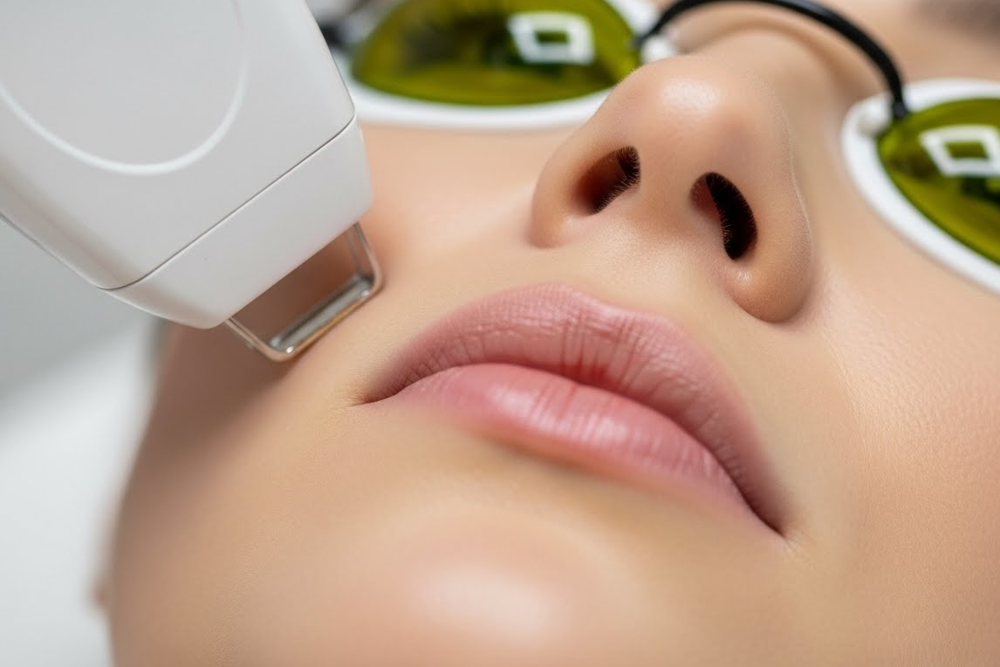
Laser treatments aren’t one-size-fits-all. If you’ve started researching skin rejuvenation, you’ve probably come across terms like ablative, fractional ablative and non-ablative lasers – and have probably wondered what they actually mean. Each type of laser works at a different depth and is best suited for specific concerns, skin type and downtime preferences.
Here’s a clear breakdown to help you understand how these lasers work and which situations they’re best for.
What Are Ablative Lasers?
Ablative lasers work by removing the outer layers of the skin in a controlled way. This triggers the body’s natural healing response, encouraging new skin growth and collagen production underneath. These lasers treat both the surface and deeper layers of the skin, so they can yield dramatic results but also come with the longest downtime.
Ablative lasers are typically used to address deeper wrinkles, significant sun damage, acne scars and pronounced texture concerns. Recovery can take several days to a couple of weeks, depending on the intensity of treatment, but results are often dramatic and long-lasting.
Traditional CO2 laser resurfacing is a common example of an ablative laser treatment.
What Are Fractional Ablative Lasers?
Fractional ablative lasers are a more modern evolution of ablative technology. Instead of treating the entire surface of the skin, they deliver energy in tiny “fractions” or columns, leaving the surrounding skin intact.
This “fractional” approach allows the skin to heal faster while still delivering deep resurfacing benefits. You get many of the results of a traditional ablative laser, but with much less downtime.
Fractional ablative lasers are often used to improve wrinkles, skin laxity, uneven texture, scars and sun damage. They’re a popular choice for men and women who want noticeable results but prefer a shorter recovery time than with traditional ablative lasers.
CO2RE fractional resurfacing is a common example of this category and is widely used for facial rejuvenation.
What Are Non-Ablative Lasers?
Non-ablative lasers do not remove the surface of the skin. Instead, they deliver energy beneath the skin to stimulate collagen and improve tone, texture and clarity over time.
Because the skin surface remains intact, non-ablative treatments typically involve little to no downtime. While you may experience mild redness or swelling with non-ablative laser treatments, these effects tend to resolve quickly.
Non-ablative lasers are best for concerns like early signs of aging, mild pigmentation, redness and overall skin maintenance. Results are more gradual and often require a series of treatments, but they’re an excellent option for those who want minimal downtime and excellent results.
GentleMax Pro® and PicoWay® Resolve are examples of non-ablative lasers that can target a wide range of skin concerns without damaging the skin’s surface.
Choosing the Right Laser for Your Skin
The best laser for you depends on factors like your skin concerns, skin type, tolerance for downtime and desired results. Some people may benefit from deeper resurfacing, while others do better with gentler treatments performed over time.
At Simply Smooth Laser Center, laser treatments are selected based on your unique needs and goals and are always customized to each individual.
For more information about the best laser treatment type for you, call our Tampa office at 813-877-8067 or contact us online to schedule your consultation today.

Author: Caroll Delo, CCE, CME
Lead aesthetician and co-owner of Simply Smooth, Caroll Delo has over a decade of experience in cosmetic surgery, laser treatments, and medical grade skincare services. Her vast knowledge in cosmetic medicine helps make sure that every man and woman who enters our doors receives top-quality care and expertise.